A focused view of the product identity, performance characteristics, research record, and practical trade-offs.
Compound profileClenbuterol Hydrochloride
Strength
Muscle Gain
Fat / Water Loss
Side Effects
Keep Gains
Research-informed editorial comparison of the named compound—not a clinical efficacy, safety, or dosing scale.
Strength & dose reference
40 mcgLabeled active per tablet
What the number means
Clenbuterol has no product-specific human prescribing reference presented here. Veterinary instructions and online cutting schedules are not interchangeable with human prescribing, so there is no responsible dosage range to place here.
Why it gets attention
How Clenbuterol Hydrochloride earns its profile
Clenbuterol is a stimulant, not an anabolic steroid. Its profile leans heavily toward thermogenesis and away from direct muscle gain, which is why the Fat / Water Loss bar is high and Muscle Gain is nearly empty. That same stimulant action drives much of its risk.
Risks & trade-offs
What you should not overlook
A racing heart, palpitations, blood-pressure swings, and abnormal rhythms are central concerns—not rare footnotes.
Tremor, anxiety, insomnia, overheating, and electrolyte disturbance can build as stimulant exposure rises.
Chest pain, fainting, severe shortness of breath, or marked palpitations after exposure require urgent medical care.
Clen 40 is identified as clenbuterol hydrochloride at 40 micrograms per tablet. Hydrochloride is the salt form of clenbuterol, a sympathomimetic beta-2 adrenergic agonist—not an anabolic steroid.
Compound / salt profile
Clenbuterol can stimulate beta-adrenergic receptors and may also affect heart rate and blood pressure. Microgram labeling is materially different from milligram labeling and must never be interchanged.
03 / Batch confidence
Verify before trust.
Use the security code on the physical pack to connect this presentation to its digital batch record.





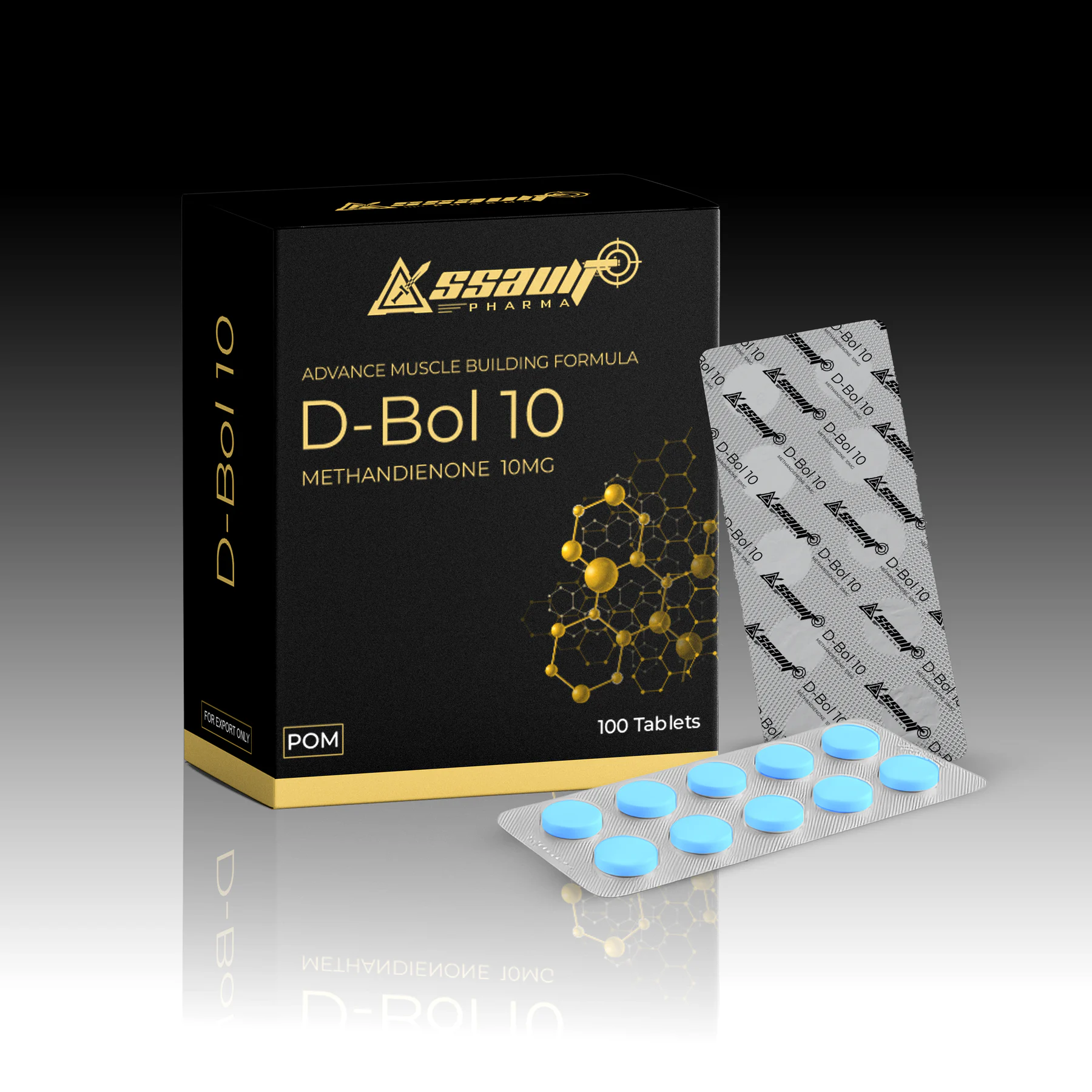 Oral
Oral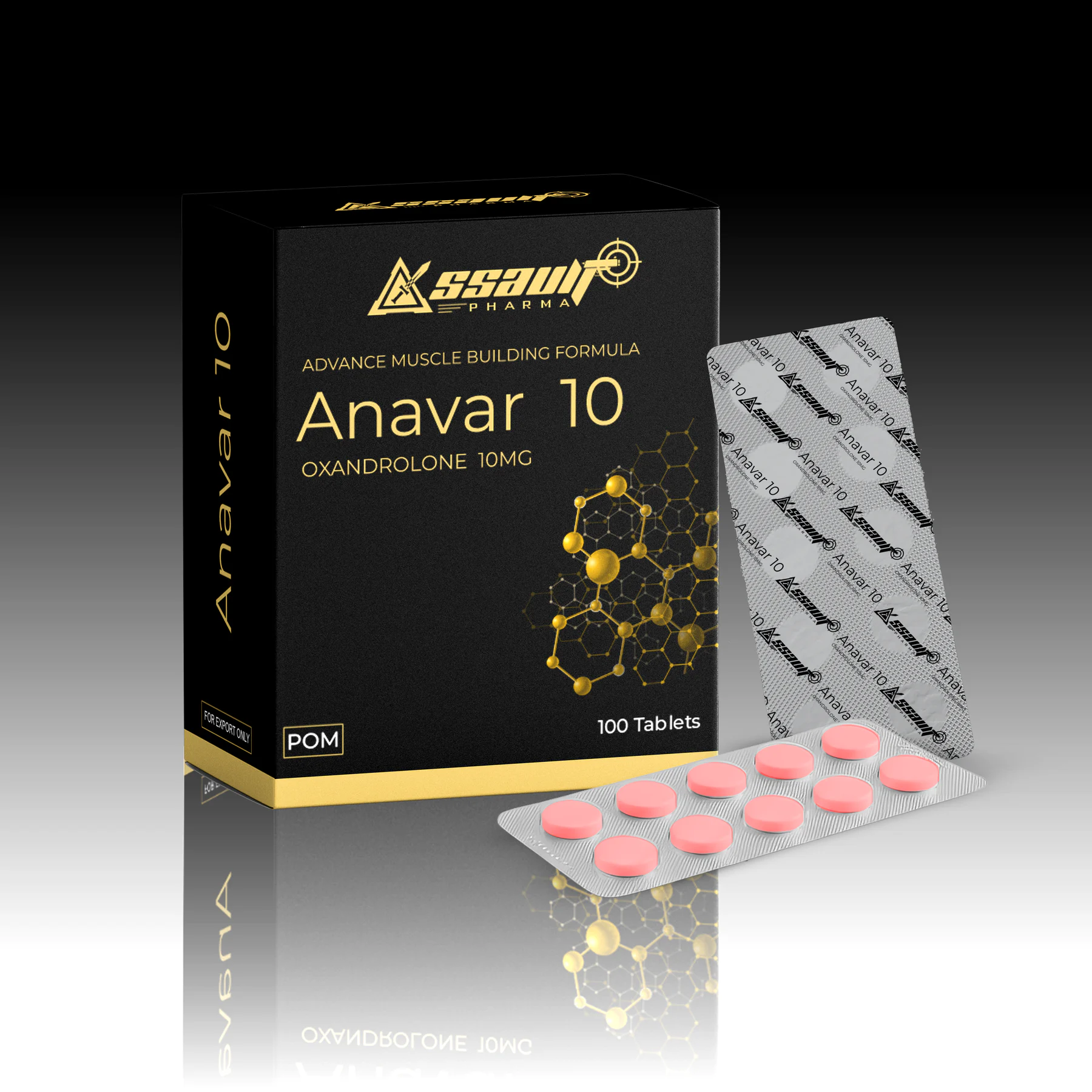 Oral
Oral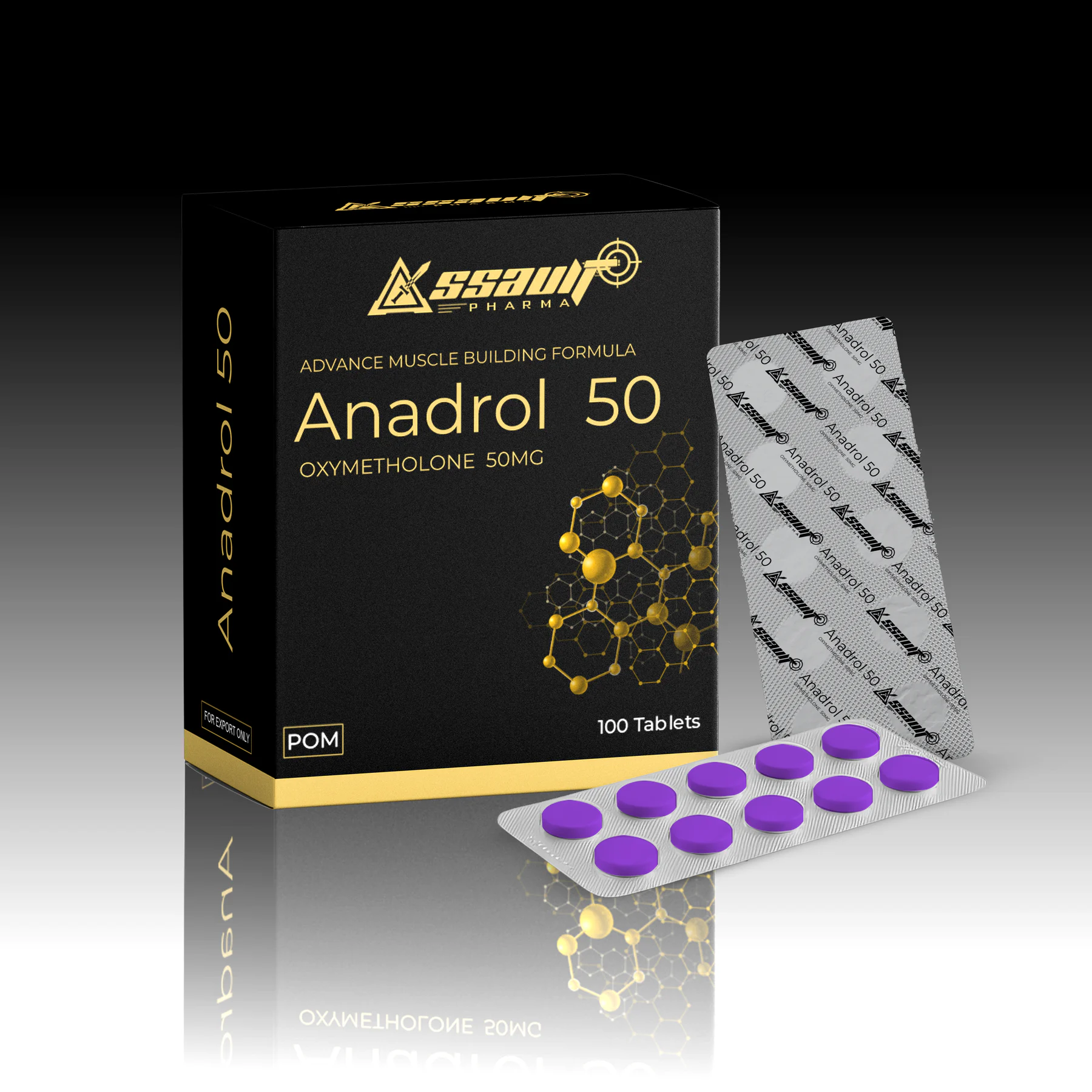 Oral
Oral